


Herbal medicine has been practised for centuries.
Yet in a healthcare system shaped by rapid medical advancement and pharmaceutical innovation, it is reasonable to ask:
Is herbal medicine still relevant in modern Australia?
The short answer is yes — but not in the way social media often presents it.
To understand its relevance today, we need to look beyond trends and examine the professional context.
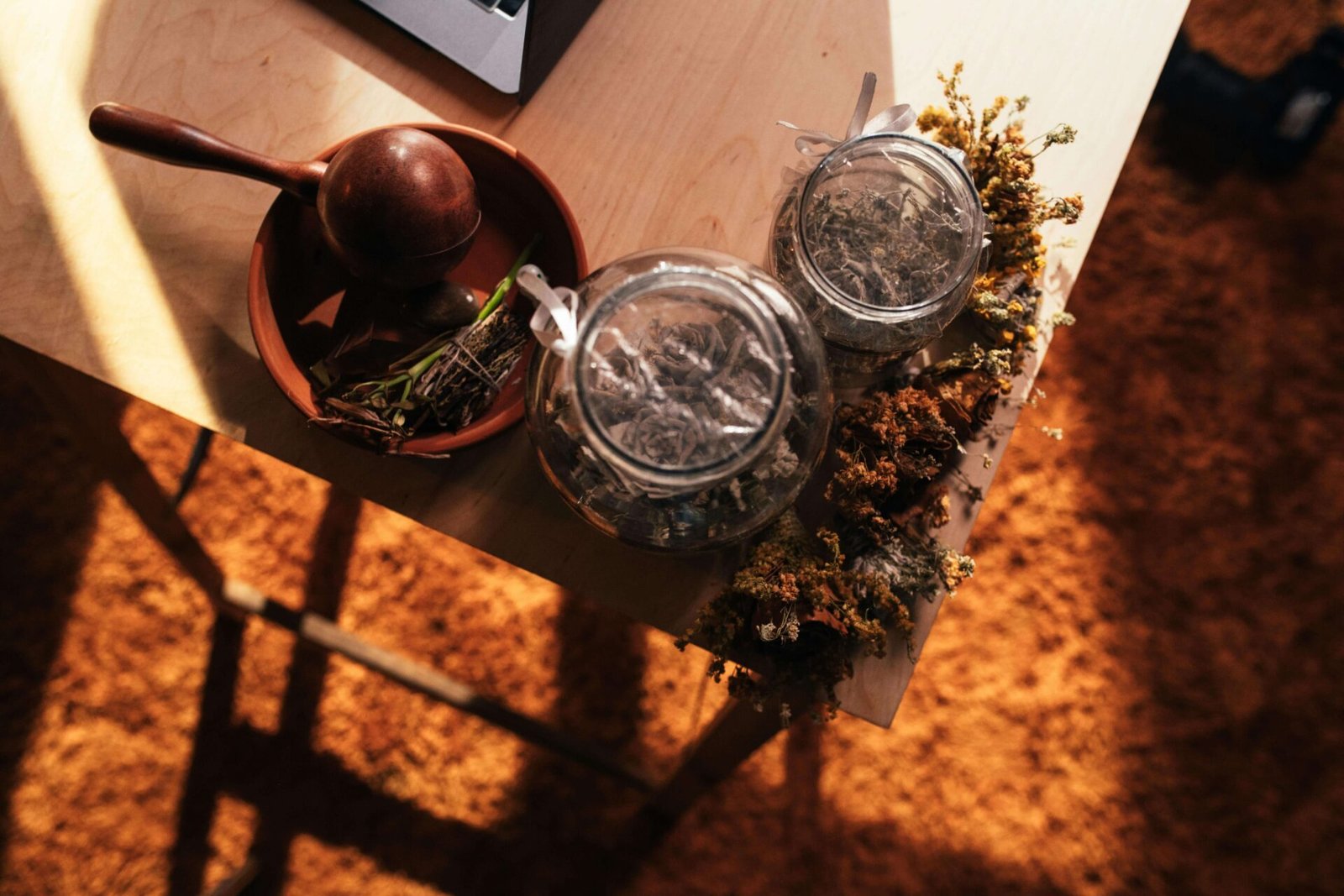
Modern herbal medicine is not folklore, nor is it casual experimentation with plant remedies.
When studied at a professional level, it involves:
A trained practitioner does not simply recommend herbs based on popularity.
They apply structured clinical reasoning within defined professional boundaries.
That distinction is what separates professional herbal practice from informal wellness advice.

In Australia, herbal medicine is generally practised within the complementary health sector.
Practitioners often work in private clinical settings and may:
As with naturopathy, educational depth strongly influences professional confidence and credibility.
A bachelor-level qualification in herbal medicine typically includes:
This structured education supports responsible and informed practice.

Modern healthcare is increasingly complex.
Chronic lifestyle-related conditions, stress-related concerns and preventative wellbeing have become central discussions within the broader health landscape.
Herbal medicine does not replace conventional medical care but may complement it when practised responsibly.
Its continued relevance lies in:
Relevance does not come from tradition alone.
It comes from professional education, evidence-informed reasoning and ethical boundaries.
Most prospective students are not simply fascinated by plants.
They are often:
The decision to study herbal medicine professionally is rarely impulsive.
It reflects a desire for depth, credibility and clarity.
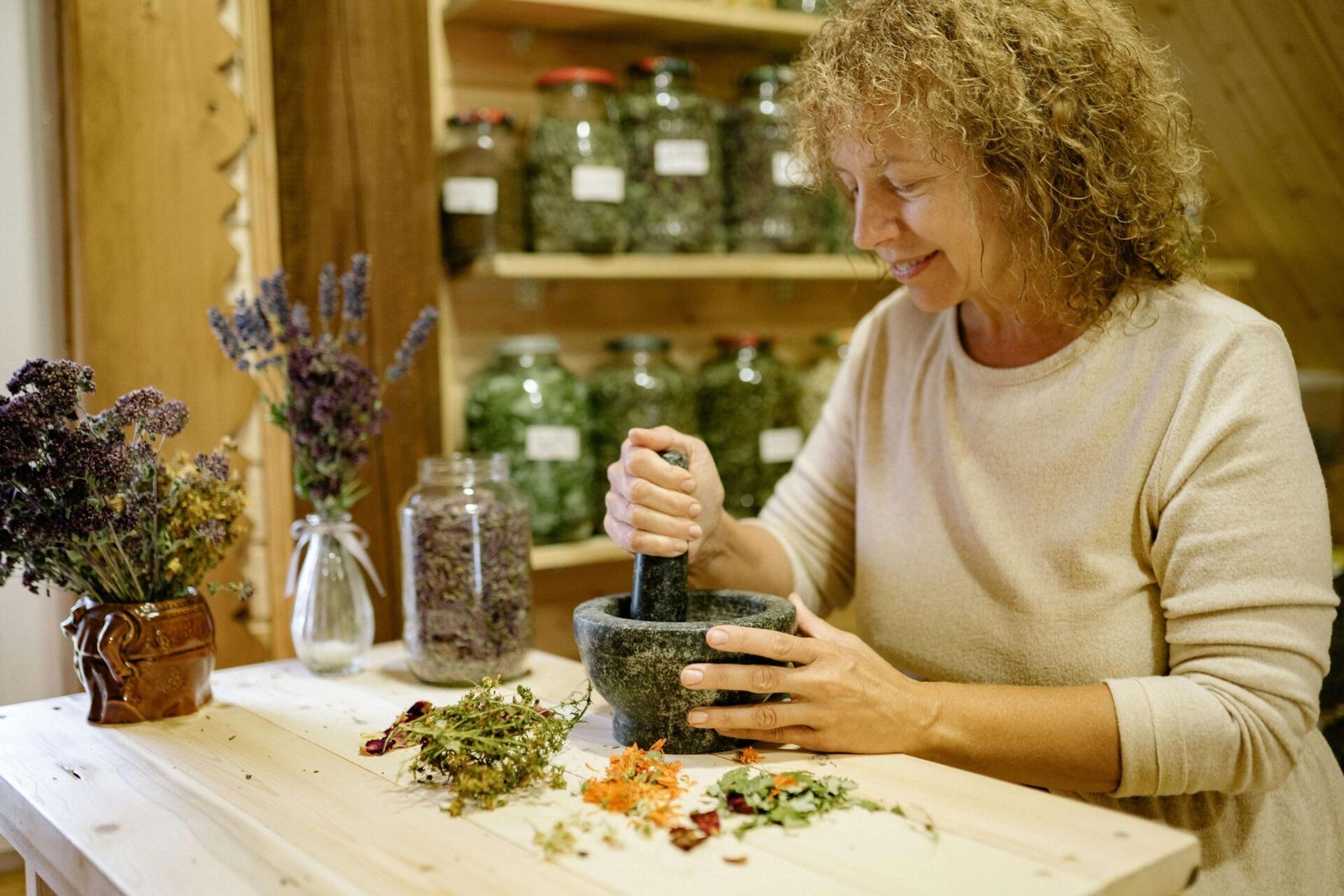
If you are exploring herbal medicine qualifications in Australia, you will encounter a wide range of options.
When comparing programmes, consider:
Short courses may introduce foundational concepts.
However, professional herbal practice requires more than enthusiasm. It requires structured education, supervised learning and clear understanding of scope.
Yes, when practised responsibly, professionally and within defined complementary health frameworks.
Herbal medicine remains relevant not because it is traditional, but because it continues to evolve through structured education and modern clinical reasoning.
If you are considering this path, the most important question is not whether herbal medicine is relevant.
It is whether you are prepared for the level of education required to practise it professionally.
If you are exploring herbal medicine as a professional pathway in Australia, begin by reviewing the academic structure behind the qualification.
Look beyond course titles.
Understand clinical training expectations.
Review professional association eligibility.
Examine the depth of biomedical science included.
A structured bachelor-level programme should provide clarity around scope, safety and supervised clinical learning.
If you would like to explore the academic framework and professional pathways in more detail, you can review the full Bachelor of Herbal Medicine programme outline below.
Learn More About the Bachelor of Herbal Medicine
