

For many people, the interest in health begins with the physical body — nutrition, symptoms, or lifestyle habits.
But over time, a different pattern often becomes harder to ignore.
Stress affects sleep. Thoughts influence behaviour. Emotional strain shows up physically.
And eventually, the question shifts:
Is it possible to support health without understanding the connection between mind and body?
This is where mind–body medicine begins. And where the work of an Integrative Health Practitioner becomes genuinely valuable — someone trained to work with the whole person, within a defined clinical scope, and in responsible alignment with the broader healthcare system.

Mind–body medicine is sometimes misunderstood as relaxation techniques or general wellbeing support.
In reality, it is a structured field that explores how psychological processes interact with physiological function — and how this relationship can be supported safely and effectively.
Practitioners are trained to work with:
But importantly, they do so within a defined professional scope — using evidence-informed, non-invasive approaches.

Modern life has introduced a different kind of health challenge.
Many individuals are not only dealing with physical concerns, but also with ongoing stress, burnout, and lifestyle pressures. These factors are increasingly recognised as influencing overall wellbeing.
As a result, there is growing interest in approaches that consider both mental and physical aspects of health — not separately, but together.
A trained practitioner does not simply offer advice. They work with clients in a structured and thoughtful way, helping them develop awareness, regulation, and sustainable habits.
This may involve:
At the same time, practitioners maintain clear professional boundaries, ensuring that their work complements — rather than replaces — other forms of healthcare when needed. This includes knowing when to refer to a GP, a psychologist, or another specialist, and being trained to make that call with confidence. Working alongside conventional medicine, not in opposition to it, is what makes a mind–body medicine practitioner genuinely trustworthy to clients and to the healthcare professionals they work beside.

In Australia, mind–body medicine sits within the broader complementary health space.
As with other natural health disciplines, it is largely self-regulated. This means that professional credibility depends on:
Structured education is therefore essential in preparing practitioners to work confidently and appropriately.
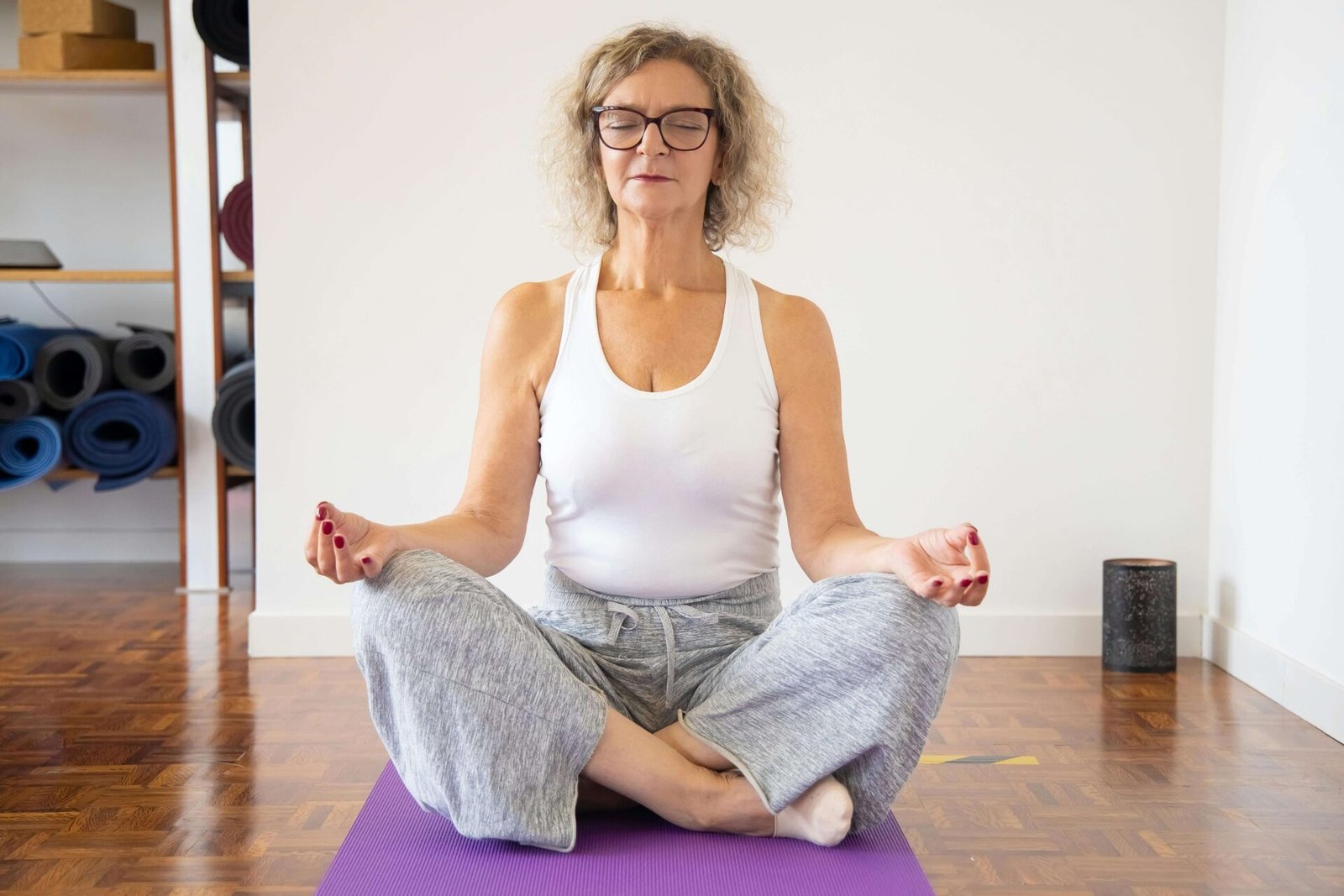
Interest in the mind–body connection is common. Practising in this field professionally is something different.
A comprehensive programme typically includes:
This training develops not only knowledge, but the ability to apply that knowledge responsibly in real-world contexts. Iconic Health Academy’s Bachelor of Mind Body Medicine is built on exactly this standard — more than two decades of curriculum development, now delivered entirely online and accredited across 38 countries, preparing Integrative Health Practitioners who are clinically confident, professionally grounded, and aligned with mainstream healthcare.

Many people are drawn to mind–body medicine because it resonates personally.
But moving from personal interest to professional practice requires a shift — from exploring ideas to developing structured skills.
The question is no longer just:
“Do I find this interesting?”
But rather:
“Can I apply this safely, clearly, and professionally?”
Mind–body medicine is not about replacing other approaches to health. It is about recognising that health is rarely one-dimensional — and that supporting individuals often requires a more integrated integrative perspective.
If you are considering this field, it may be helpful to explore how different programmes approach training, and how they prepare students to work within clear professional boundaries. At Iconic Health Academy, that preparation leads to a clearly defined professional identity: an Integrative Health Practitioner who can support clients through structured, evidence-informed approaches, deliver measurable and accountable outcomes, and work with confidence alongside GPs and other healthcare professionals; not as an alternative to conventional care, but as a responsible complement to it.
Explore the Bachelor of Mind Body Medicine →
